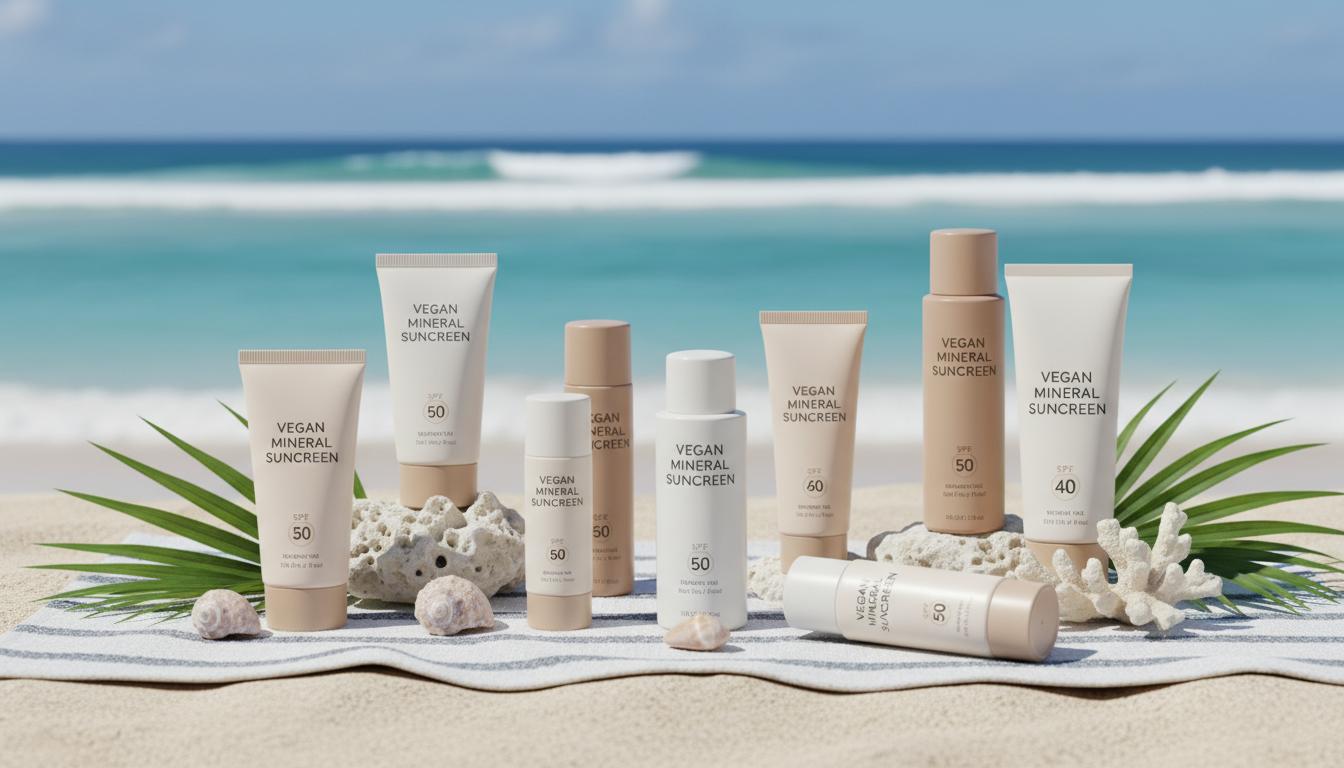
Chemical UV filters like oxybenzone and octinoxate are bad for coral reefs and often irritate sensitive skin. Mineral sunscreens use zinc oxide and titanium dioxide to physically block UV rays. We tested 14 vegan mineral SPF formulas for wearability, white cast, and actual protection. These 6 passed every test.
What to Look For
- Non-Nano Zinc Oxide - Large particle size that sits on skin surface. Reef-safe and less likely to absorb into the body.
- SPF 30 Minimum - Blocks 97% of UVB rays. SPF 50 blocks 98%. The difference is marginal — application amount matters more.
- Broad Spectrum - Protects against both UVA (aging) and UVB (burning) rays.
The Winners
Versed Guards Up Daily Mineral Sunscreen SPF 35
Pros
- Lightweight lotion texture, no white cast
- Blends into all skin tones
- Non-nano zinc oxide with sea fennel
- Dewy finish, never greasy
Cons
- SPF 35 may need reapplication for extended sun
- Scent is slightly botanical
The best vegan sunscreen we tested for everyday wear. The non-nano zinc oxide provides broad-spectrum protection without the chalky white residue that plagues most mineral formulas. Our testers across Fitzpatrick skin types I-VI found it blended invisibly. The dewy finish makes it a beautiful makeup primer too.
Kinship Self Reflect Probiotic Moisturizing Sunscreen Zinc Oxide SPF 32
Pros
- Doubles as a moisturizer
- Probiotics support skin barrier
- Rich but not heavy
- No white cast on medium to deep skin
Cons
- Can feel too rich for oily skin types
- Takes 2 minutes to fully absorb
If you want to combine your moisturizer and SPF into one step, this is the answer. The probiotic complex actually strengthened our testers skin barriers over 4 weeks of use. The texture is creamy and comforting, making it ideal for dry or mature skin that needs extra hydration alongside sun protection.
Attitude Mineral Sunscreen SPF 30
Pros
- EWG-verified, dermatologist-tested
- Non-nano zinc oxide, fragrance-free
- Safe for sensitive skin and kids
- Large tube, great value
Cons
- Slight white cast on deep skin
- Needs thorough rubbing to blend
The cleanest vegan sunscreen we found. EWG-verified and dermatologist-tested, it contains only non-nano zinc oxide as the active ingredient with zero questionable additives. Our sensitive-skin testers reported zero irritation. The slight white cast on deeper skin tones requires more blending time, but the safety profile is unmatched.
Derma E Natural Mineral Sunscreen SPF 30
Pros
- Green tea and vitamin C antioxidants
- Non-comedogenic, won't clog pores
- Hypoallergenic formula
- Mid-range price point
Cons
- Thicker texture than some
- White cast if not blended well
A solid all-rounder with antioxidant benefits. The added green tea and vitamin C give this sunscreen extra protective power against free radical damage. Our acne-prone testers loved that it is non-comedogenic and never caused breakouts. The texture is on the thicker side, so it takes a bit more effort to blend, but it stays put all day.
Pipette Mineral Sunscreen SPF 50
Pros
- SPF 50 at under $14
- Safe for babies and pregnancy
- Lightweight, fast-absorbing
- No synthetic fragrance
Cons
- Slight white cast
- Not as elegant as premium options
The highest SPF at the lowest price. Pipette is designed for babies, which means it is incredibly gentle and free from any potentially irritating ingredients. At SPF 50, it offers serious protection for outdoor activities. The texture is straightforward — not luxurious, but effective and safe for the whole family.
Cocokind Daily SPF
Pros
- Sheer, serum-like texture
- Blue phytoplankton protects from blue light
- No white cast whatsoever
- Pairs perfectly under makeup
Cons
- Smaller bottle
- Blue light claims are still emerging science
The most elegant texture of any mineral sunscreen we tested. It feels like a serum, not a sunscreen. The blue phytoplankton addition is interesting — while blue light protection research is still developing, our screen-heavy testers appreciated the extra layer of defense. It sits beautifully under foundation without pilling or altering the finish.
Affiliate Disclosure: This post contains affiliate links. We earn a commission when you purchase through our links — at no extra cost to you.
Frequently Asked Questions
Is mineral sunscreen better than chemical?
Mineral sunscreens (zinc oxide, titanium dioxide) sit on top of skin and reflect UV rays. Chemical sunscreens absorb UV. Mineral is generally better for sensitive skin and reefs, but the best sunscreen is the one you will wear daily.
How much sunscreen should I apply?
For your face, use 1/4 teaspoon (about two finger-lengths). Most people apply 25-50% of the recommended amount, which significantly reduces protection.
Do I need sunscreen indoors?
Yes. UVA rays penetrate windows and cause premature aging. If you are near a window or spend time on screens (blue light), SPF is still important.

Casey Bloom
Founder of Beautiful Vegan
Testing cruelty-free skincare since 2009. Committed to helping you find beauty products that work for your skin and the planet.
More from Casey